Online Presence for Small Businesses in Germany: What Actually Works in 2026
A practical guide for small business owners in Germany — what a professional website needs, what to avoid, and how AI tools can save you hours every week.
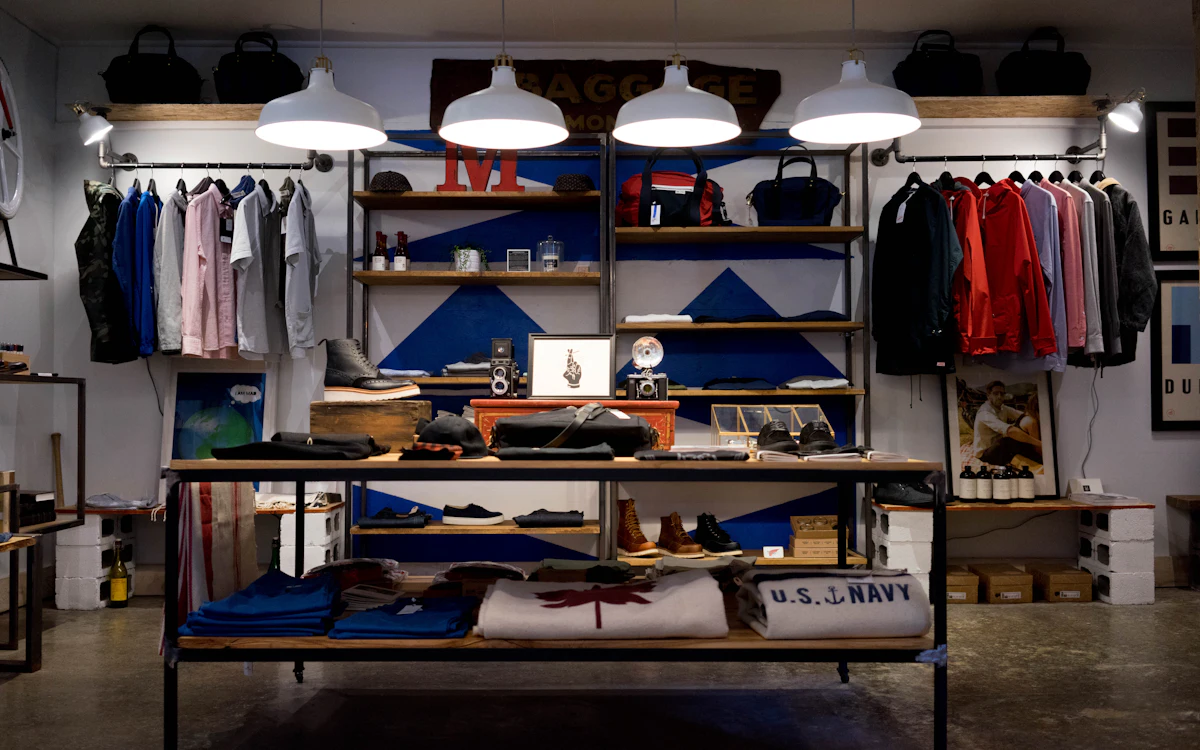
If you run a small business in Germany — a handcraft shop, a dental practice, a Steuerberater office, a local gym — your website is your most important salesperson. It works 24/7, never calls in sick, and can answer customer questions while you sleep.
The problem is that most small business websites in Germany are either missing entirely, outdated, or built by agencies that charged €10,000 for something that looks like 2015.
This guide covers what actually matters in 2026.
The Honest State of Small Business Websites in Germany
According to the Bitkom digital index, roughly 30% of German small businesses still have no website at all. Another significant portion have one that hasn't been updated since the pandemic.
The reasons are familiar: time, cost, and a sense that "my customers find me anyway." That last point is becoming less true every year. Even for local searches — Friseur Gelsenkirchen, Elektriker Bochum, Zahnarzt Essen — Google surfaces businesses with active, well-structured websites first.
A customer who can't find your opening hours or phone number on their phone will call the next result.
What a Small Business Website Actually Needs
1. Fast loading on mobile
More than 60% of local search traffic in Germany comes from mobile devices. Google's ranking algorithm prioritizes mobile performance. A page that takes four seconds to load loses half its visitors before they see anything.
Target: under 2 seconds on a mid-range Android device on a 4G connection. This is achievable without expensive infrastructure — it's mostly about image optimization and clean code.
2. Clear contact information, above the fold
Your phone number and address should be visible without scrolling. This sounds obvious. An alarming number of business websites bury contact details at the bottom of a long homepage, behind multiple clicks.
A click-to-call button on mobile is not optional.
3. A credible first impression
Visitors decide within seconds whether your business looks trustworthy. A modern, clean design — consistent fonts, real photos, no stock images of people shaking hands — signals professionalism.
You don't need a complex site. A well-executed single-page site with five sections converts better than a sprawling ten-page site built on a cheap template.
4. Impressum and Datenschutzerklärung
This is non-negotiable in Germany. Under § 5 TMG (Telemediengesetz), every commercial website must have an Impressum with the operator's full name, address, and contact information. The DSGVO (GDPR) requires a Datenschutzerklärung.
Missing these is not just a legal risk — it signals to potential customers that your business isn't serious.
5. Structured data for local SEO
Adding schema.org LocalBusiness markup to your site helps Google understand your location, opening hours, and service area. It's invisible to visitors but significantly improves your chances of appearing in the local search results map pack.
Where AI Tools Make a Real Difference
The most practical AI tool for a small business website in 2026 is an AI customer service chatbot.
Here's the problem it solves: most customer questions are repetitive. Opening hours. Service prices. How to book an appointment. Parking at your location. A chatbot trained on your business information can answer all of these instantly, at any hour, without you or your staff needing to respond.
The effect is easy to picture: every question the chatbot answers is one phone call or email that never interrupts your day. For a business that fields the same handful of questions dozens of times a week, that adds up quickly.
A well-implemented chatbot is not a replacement for personal service — it's a filter that handles the routine so you can focus on the work that requires judgment.
What Doesn't Work (Anymore)
DIY website builders: Wix and Squarespace sites rank poorly for anything competitive, load slowly, and look generic. They're acceptable for zero budget and zero SEO ambition. For a business that wants to grow, they're a short-term solution with long-term costs.
Cheap agency templates: Many agencies sell "custom websites" that are barely customized WordPress themes. They look alike, they're bloated, and the agency charges you maintenance fees forever for a site you can't own.
Ignoring Google Business Profile: Your Google Business Profile is often the first thing a local customer sees. Keeping it updated — hours, photos, responses to reviews — is not optional if you want local search visibility.
The Practical Starting Point
If you're starting from zero or rebuilding, the priority order is:
- Get the basics right: mobile-fast, clear contact info, Impressum/Datenschutz, real photos
- Claim and optimize your Google Business Profile
- Add a contact form or booking link — reduce the friction for customers to reach you
- Consider an AI chatbot if you handle repetitive customer inquiries by phone or email
- Add a blog or news section over time — this is how you build organic search visibility for your services
None of this requires a €10,000 agency budget. A focused, well-built website with the right foundations outperforms a complex one built without them.
Finding the Right Developer
When evaluating a web developer or agency, three questions matter:
- Can you show me the Lighthouse score of a site you built? A credible developer can point to real performance metrics.
- Who owns the code and the domain after the project? You should own both outright.
- What does ongoing maintenance cost, and what does it cover? Understand exactly what you're paying for.
A good developer should be able to explain in plain language what they're building and why. If the answer is full of jargon and vague promises, keep looking.
How does your current website score?
Run the free 30-second check — speed, SEO and concrete quick wins, no obligation.
Run the free website checkVladyslav Kobiakov builds websites and AI tools for small businesses. Originally from Mykolaiv, Ukraine — working remotely across Europe. Get in touch if you'd like to discuss a project.